
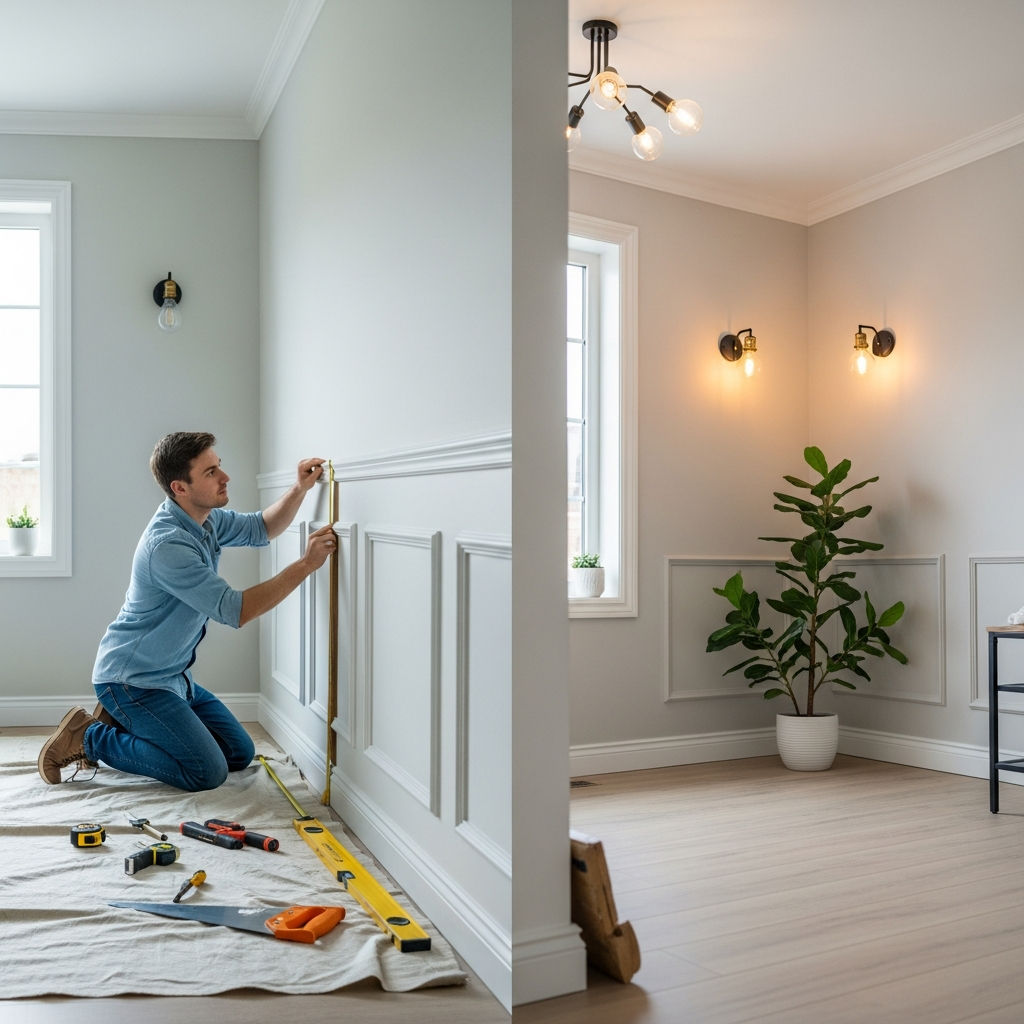
15 Effective Tips to Improve Your Home Improvement Projects
Home improvement is more than just a way to increase the resale value of your property; it is about creating a space that reflects your personality, enhances your comfort, and functions efficiently for your lifestyle. Whether you are planning a complete overhaul or looking for small weekend DIY projects, a strategic approach is essential to ensure your time and money are well-spent.
From the kitchen to the curb, every change you make contributes to the overall atmosphere of your home. However, many homeowners feel overwhelmed by the sheer volume of choices and the potential for rising costs. To help you navigate this journey, we have compiled 15 effective tips to improve your home improvement efforts, ensuring high-quality results and a significant return on investment.
1. Start with a Comprehensive Master Plan
One of the biggest mistakes homeowners make is jumping into a project without a clear vision. Before you pick up a hammer, create a master plan. Identify which areas of your home need the most attention and rank them by priority. A plan helps you visualize the end result and ensures that individual projects complement each other stylistically and functionally.
2. Set a Realistic Budget and Stick to It
Financial stress can quickly ruin the excitement of home improvement. Research the costs of materials and labor in your area before starting. A golden rule in the industry is to add a 10% to 20% “contingency fund” to your budget. Unexpected issues, such as outdated wiring or water damage hidden behind walls, frequently arise during renovations.
3. Focus on the Kitchen First
If you are looking for the best return on investment (ROI), the kitchen is the place to start. It is often considered the heart of the home. You don’t always need a full gut renovation. Minor updates like painting cabinets, replacing old hardware, and installing a modern backsplash can dramatically transform the space without the premium price tag of a full remodel.
4. Enhance Your Curb Appeal
First impressions matter. The exterior of your home sets the tone for what is inside. Simple improvements like mowing the lawn, planting colorful perennials, and power-washing the driveway can make a world of difference. Consider painting your front door a bold, welcoming color to create an instant focal point that attracts potential buyers and guests alike.
5. Use Paint to Transform Your Space
Painting is arguably the most cost-effective home improvement tip. A fresh coat of paint can make a room feel larger, cleaner, and more modern. When choosing colors, neutral tones like soft grays, beiges, and off-whites are generally preferred for common areas as they provide a versatile backdrop for any decor style.
6. Upgrade Your Lighting Strategy
Lighting can change the entire mood of a room. To improve your home’s interior, aim for “layered lighting.” This includes:
- Ambient Lighting: The main source of light (ceiling fixtures).
- Task Lighting: Focused light for specific activities (under-cabinet lights in the kitchen or reading lamps).
- Accent Lighting: Used to highlight architectural features or artwork.
Switching to LED bulbs and installing dimmer switches can also add a touch of luxury and energy efficiency.
7. Invest in Energy Efficiency
Modern homebuyers are increasingly looking for “green” features. Improving your home’s energy efficiency saves you money on utility bills and increases property value. Consider upgrading to ENERGY STAR-certified appliances, adding attic insulation, and sealing gaps around windows and doors to prevent drafts.
8. Don’t Overlook the Bathroom
Similar to the kitchen, bathrooms are high-traffic areas that yield a high ROI. If a full renovation isn’t in the cards, focus on “surface” upgrades. Replace an old vanity, swap out a dated showerhead for a rainfall model, or re-grout the tiles to give the space a sparkling, clean look.

9. Maximize Storage Solutions
A cluttered home feels smaller and less functional. Use your home improvement projects to build in smarter storage. This could mean installing floating shelves, adding a closet organization system, or utilizing the space under the stairs. Custom built-ins add a sense of permanent quality that portable furniture simply cannot match.
10. Update Your Flooring
Old, stained carpet or scratched linoleum can make even the most beautiful room look dingy. If your budget allows, hardwood floors are a timeless choice that appeals to almost everyone. If you need a more budget-friendly option, Luxury Vinyl Plank (LVP) is incredibly durable, waterproof, and mimics the look of real wood perfectly.
11. Incorporate Smart Home Technology
In today’s digital age, a smart home is an improved home. Installing a smart thermostat, video doorbell, or smart locks adds a layer of convenience and security. Many of these devices are easy to install as DIY projects and serve as great selling points should you decide to list your home.
12. Create Outdoor Living Spaces
Expanding your living area to the outdoors is a huge trend in home improvement. Whether it’s a simple wooden deck, a stone patio, or a dedicated fire pit area, creating a space for relaxation and entertainment adds significant “livable” square footage to your property without the cost of a room addition.
13. Refresh Hardware and Fixtures
It is the small details that often complete a room. Replacing dated brass doorknobs, cabinet pulls, and light switches with modern finishes like matte black or brushed nickel can unify the look of your home. This is a low-cost, high-impact way to bring your interior design into the current decade.
14. Prioritize Regular Maintenance
The best way to improve your home is to prevent it from deteriorating. Home improvement isn’t just about the “new”; it’s about maintaining the “current.” Clean your gutters, service your HVAC system annually, and check for leaks. Addressing small problems immediately prevents them from turning into expensive disasters later on.
15. Know When to Hire a Professional
While DIY projects can save money, knowing your limits is crucial. Electrical work, major plumbing, and structural changes should generally be left to licensed professionals. A botched DIY job can end up costing twice as much to fix and may cause safety issues. Focus your DIY energy on aesthetics and hire experts for the “bones” of the house.
Conclusion
Improving your home is a rewarding journey that requires a balance of creativity, planning, and practical thinking. By following these 15 tips, you can ensure that your home improvement projects result in a more beautiful, functional, and valuable living space. Remember, you don’t have to do everything at once. Start small, stay within your budget, and enjoy the process of turning your house into your dream home.
Whether you are preparing for a sale or simply want to enjoy your surroundings more, these strategic upgrades will pay dividends for years to come. Happy renovating!