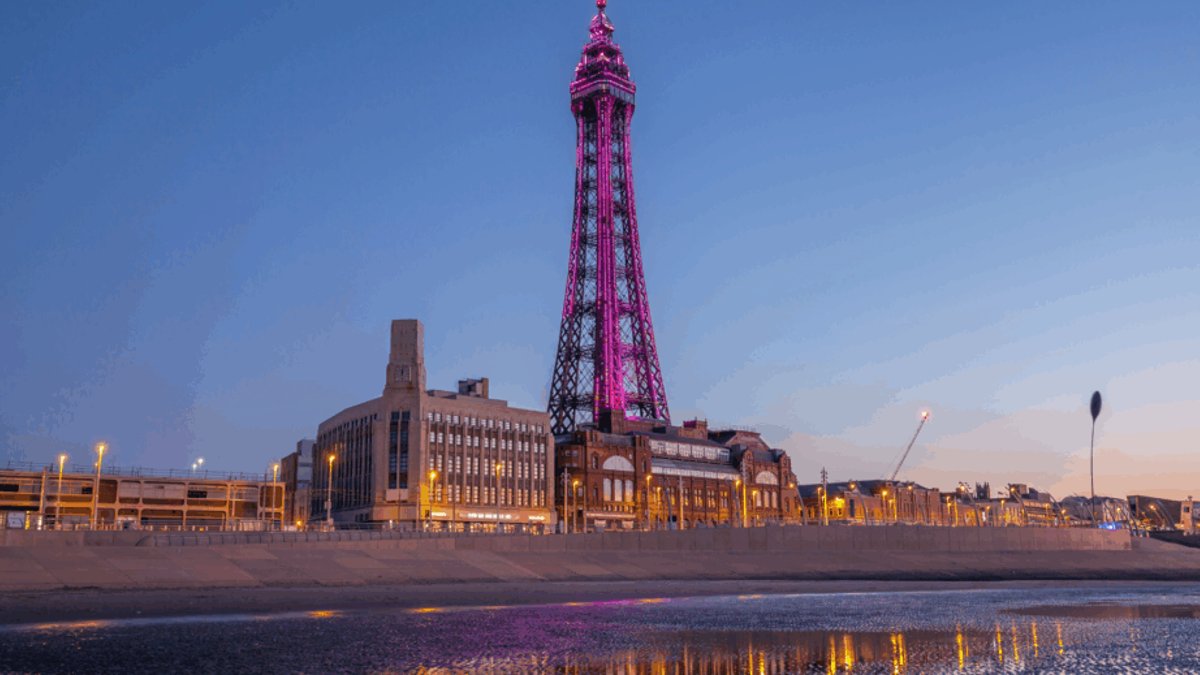
Blackpool’s property market defied expectations in 2025, with house prices climbing by an average of £7,000—despite the town’s reputation as an affordable seaside destination. The rise, confirmed by Office for National Statistics data, marks a 6.1% increase from 2024, pushing average prices to £137,000. More than 2,300 homes changed hands last year, with demand staying strong even as costs rose. The town’s enduring appeal as a coastal retreat—boosted by its iconic landmarks like the Blackpool Tower, the famous illuminations, and the Pleasure Beach amusement park—continues to draw buyers, though the latest data suggests the focus should now shift toward its growing investment potential.
The data suggests buyers who delayed purchasing paid a steep price. First-time buyers saw average costs jump from £120,000 to £128,000, a £8,000 increase in just 12 months. Home movers faced a similar trend, with prices rising from £145,000 to £153,000. The figures highlight a broader trend: hesitation in the market often leads to higher entry costs, even in regions with relatively modest growth. This pattern was evident across all buyer demographics, with no property type escaping the upward trend, though the pace varied. The price increases occurred without corresponding upgrades to properties, indicating broader market forces rather than localized improvements driving the growth.
Sales Activity and Success Rates
In 2025, 3,728 properties were listed in Blackpool, with 2,323 successfully sold, a 68% conversion rate across the Fylde Coast. However, properties marketed through Tiger Sales & Lettings achieved an 84% success rate, suggesting that precise pricing, targeted marketing, and proactive buyer engagement made a measurable difference in a competitive market. The disparity shows how local expertise can mitigate broader market challenges, particularly in a town where affordability remains a key selling point compared to neighboring coastal areas.
This gap shows how local expertise can offset broader trends. While the wider market saw a 6.1% increase, individual sellers who worked with specialized agents had a higher chance of securing a deal at the right price. The data also reveals that Blackpool’s affordability, compared to nearby coastal towns, remains a key draw for investors and first-time buyers. For example, while towns like Southport or Lytham St Annes have seen sharper price hikes, Blackpool’s steady growth keeps it within reach for a wider range of purchasers, including those entering the market for the first time or expanding portfolios.
Price Growth by Property Type
Not all property types rose at the same pace. Semi-detached homes led the increase, averaging £161,000 in 2025, while detached properties saw a smaller uptick. The data shows Blackpool remains accessible across buyer profiles: entry-level purchasers, families, and investors all found options within budget. Even with the rise, the town’s prices lag behind national averages, keeping it a relative bargain for those seeking coastal living. For instance, while semi-detached homes in Blackpool now average £161,000, comparable properties in nearby Lancashire towns often exceed £180,000, reinforcing its value proposition.
Related Post: 78% of Tenants Struggle to Find Rental Properties
For context, Blackpool’s rental market also tightened. Average monthly rents climbed from £641 in 2024 to £684 in 2025, a £43 increase per month, or £516 more annually for landlords. Gross rental yields in the area now average 7.2%, slightly above the North West’s 6.8% benchmark. The steady demand reflects Blackpool’s appeal as a rental hub, particularly for seasonal workers and students, whose presence is bolstered by the town’s tourism-driven economy. The consistency in yields suggests landlords benefit from stable occupancy rates, even as rents rise incrementally.
This stability in yields contrasts with some nearby markets, where rental growth has been more volatile. The consistency suggests Blackpool’s rental sector is less exposed to short-term shocks, making it a safer bet for landlords compared to areas with higher price swings. Additionally, the town’s mix of short-term holiday lets and long-term rentals provides a buffer against seasonal fluctuations, further stabilizing returns.
Regeneration and Future Demand
Behind the numbers lies a larger story: Blackpool’s ongoing regeneration. The town is attracting £2 billion in private investment, including schemes like Talbot Gateway and Silicon Sands, which aim to draw thousands of workers and students. The UK government has also committed £90 million to modernize housing stock, replacing outdated properties with energy-efficient alternatives. These initiatives are designed to address long-standing infrastructure gaps while creating jobs and improving living conditions, both of which are expected to sustain housing demand in the long term.
These developments are likely to sustain demand. New jobs and infrastructure typically boost housing needs, whether for ownership or rentals. The question for buyers and investors is whether the price rises will outpace the economic benefits, or if Blackpool’s affordability will keep it competitive. For example, the Talbot Gateway development alone is projected to accommodate thousands of new residents, while Silicon Sands could attract tech workers, further diversifying the local economy and increasing pressure on housing supply.
The data from 2025 makes one thing clear: timing matters. Buyers who delayed paid more, while sellers with strong local support sold faster. For investors, the town’s yields and regeneration plans offer long-term potential, but the rising costs may narrow the entry window for first-time buyers. The challenge now is whether the market can balance growth with accessibility, or if the £7,000 jump is just the beginning. The ongoing regeneration efforts suggest that while prices are rising, the underlying fundamentals, employment opportunities, infrastructure improvements, and rental demand, remain strong, positioning Blackpool as a resilient market for those who act decisively.

